Chicago's annual budget follows a predictable, state-law-governed calendar that runs from spring planning to a January 1 start date, and residents who want a say in how local tax dollars are spent have specific, recurring windows to make their voices heard. The Illinois statute governing municipalities requires the City Council to adopt the annual budget on or before December 31 of the preceding year, and that same body of law obligates the mayor to submit an executive budget recommendation for council consideration. Between those fixed points sit department requests, a published financial analysis, summer public forums, and fall council hearings—each a stage where the public can watch, learn, or weigh in on how revenue is allocated across city services.
Chicago's Annual Budget Cycle: A Chronological Guide
The budget year begins quietly, inside city government. In the spring, city departments submit their final budget requests—revenue and expenditure estimates informed by performance metrics, operational needs, and service goals—to the Office of Budget and Management (OBM), which works closely with those units to review requests and develop a baseline budget, drawing on both General Fund and Enterprise Fund resources. The chronology below sequences the stages, deadlines, and public input opportunities described across the city's official budget materials, so a resident can locate where the process stands at any point in the year and what is coming next.
| Stage | Timing | Who acts | Public input opportunity |
|---|---|---|---|
| Department budget requests and internal analysis | Spring | City departments submit estimates; OBM reviews and builds a baseline budget with the Mayor's Office | Limited—the process is internal at this stage |
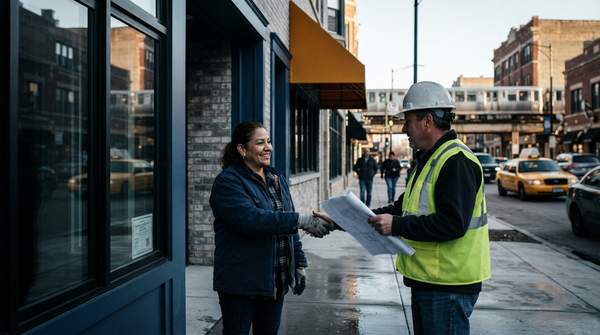
| Community roundtables and public forums | Summer | Mayor's Office community engagement team hosts sessions across the city | Residents, businesses, and community groups give input on priorities, service delivery, and neighborhood investment |
| Annual Financial Analysis Report filed | Before August 1 | Budget Director files the report with the City Clerk, outlining fiscal projections | Report is publicly available for review |
| Mayor's Budget Address and executive proposal | October | Mayor submits Executive Budget recommendations to City Council, as required by Illinois law | Proposal is public; feedback from summer forums has already informed it |
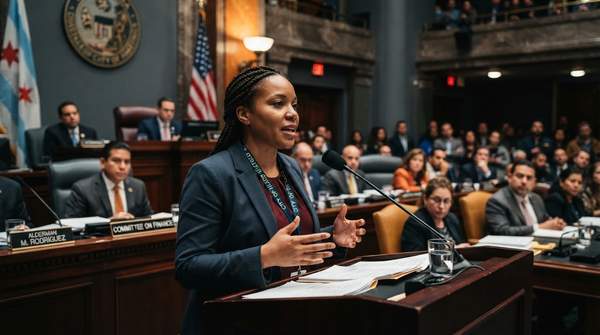
| Committee budget hearings | October–November | Committee on Budget and Government Operations reviews; every department presents its budget and faces questions and comments from alderpersons | Public hearings; council negotiates changes with the Mayor's Office and OBM |
| Final council vote | By December 31 (legal deadline) | City Council adopts the Annual Appropriation Ordinance; budget ordinances each need 26 votes | Final proposals are public before the vote |
| Budget takes effect | January 1 | Annual Appropriations Ordinance governs the fiscal year (Jan. 1–Dec. 31) | Implementation begins; next cycle's spring analysis starts |
Two legal anchors frame the whole cycle. Illinois law (Chapter 65 ILCS 5/8-2-1) requires the City Council to adopt the annual budget on or before December 31 of the previous year, and the fiscal year it funds runs January 1 through December 31. A second provision (65 ILCS 5/8-2-2) requires the mayor to submit executive budget recommendations for council consideration. The adopted document, formally the Annual Appropriation Ordinance, contains the city's expenditures and liabilities and specifies appropriations for the coming year. The city's process overview also notes that the December stage includes the property tax levy for the upcoming fiscal year and miscellaneous revenue-generating proposals from city departments.
The 26-vote threshold matters more than it may appear. Because each final budget ordinance must receive 26 votes to be approved, a bloc of council members withholding support can force continued negotiation with the Mayor's Office and OBM—which is why the October and November hearing period, when the committee questions every department's budget, is a period of genuine leverage rather than pure formality. Once introduced, the budget is sent immediately to the Committee on Budget and Government Operations for review, beginning that public examination.
How Residents Can Engage: Opportunities for Public Input
Public engagement is, in the city's own description, a cornerstone of the process. Each summer, the City hosts community roundtables and public forums, allowing residents, businesses, and community groups to provide input on budget priorities, service delivery, and neighborhood investment. Critically, this feedback is not ceremonial: the city states that input from these engagements informs the Mayor's Budget Recommendations presented to City Council in the fall. That makes summer the highest-leverage period for residents, because priorities voiced then shape the proposal before it is formally introduced—when changes are easiest to make.
Once the mayor introduces the budget in October, attention shifts to the Committee on Budget and Government Operations, which hosts public hearings where every city department presents its individual budget and is subject to questions and comments from the alderpersons. The council then negotiates any changes to the proposed budget with the Mayor's Office and OBM before final ordinances come to a vote. Residents who follow these hearings can see which departments face scrutiny over their spending plans and contact their alderperson while negotiations remain open.
The timing of each window matters for effectiveness. Summer forums invite input on priorities in the abstract—what services matter, what neighborhoods need—while fall hearings respond to a concrete proposal with specific dollar figures. A resident arriving at a fall hearing with comments on a particular department's budget is reacting to a real document; the same resident at a summer forum is helping set the agenda that document will reflect. Both are legitimate forms of input, but they work differently.
Navigating Budget Documents and Resources
Three documents anchor the public record, and knowing when each appears helps a resident read the process as it unfolds. The Annual Financial Analysis Report, filed by the Budget Director with the City Clerk before August 1 each year, outlines the city's fiscal projections and offers the first formal written picture of the coming year's financial landscape—including the pressures that will shape whatever proposal the mayor later introduces. The Executive Budget Recommendation, presented in the fall, contains the detailed spending proposal that the council will debate. The Annual Appropriation Ordinance is the legally adopted version that takes effect January 1.
The Office of the City Clerk maintains these budget documents and states that it updates them regularly, providing a standing archive where residents can compare how projections in the August analysis relate to the October proposal and the final adopted ordinance. The Office of Budget and Management, for its part, publishes the department requests, fund structures, and engagement information through the city's website. Reading the three documents in sequence—analysis, recommendation, ordinance—shows which priorities survived the political process and which did not.
For residents concerned about taxes specifically, the introduced budget is where the property tax levy for the upcoming fiscal year appears, alongside any miscellaneous revenue-generating proposals from city departments. Locating those items in the October proposal, then tracking whether they change during committee review, is a concrete way to monitor how local tax revenue is set.
Your Role in Shaping Chicago's Future
For residents, the practical takeaway is that engagement is time-sensitive. Summer forums arrive before the mayor's proposal is written, which is when input on priorities can still shape the recommendation itself; fall hearings offer a second window, while the council is negotiating amendments behind the 26-vote threshold. After December 31, the budget is fixed until the next cycle begins again in spring, and the adopted appropriations govern spending for the full calendar year.
The decision, then, is to actively participate in Chicago's budget process by engaging in public forums and City Council hearings. The measurable indicator is simple: monitor the City of Chicago's Office of Budget and Management website and local alderperson communications for announcements of public engagement sessions and hearing schedules. When a summer forum is announced in your area, that is the moment to show up—and the test of whether it mattered comes each October, when the mayor's recommendations are released against the priorities residents raised months earlier.
Sources
- City Budgets — Chicityclerk
- Budget Information — Chicago
- Static1