Rising urban violence: Community concerns and solutions

A man was hospitalized after a shooting in the West Oaks Corner neighborhood on Thursday afternoon, May 28, OregonLive reports.

AP
Aisha Patel

June 2, 2026 · 3 min read

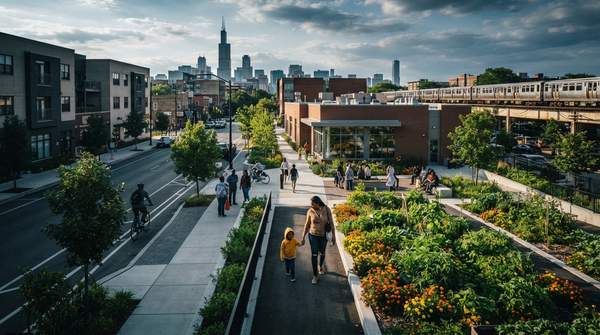
Diverse urban community members discussing safety concerns and solutions in a meeting, with a city skyline in the background.

A man was hospitalized after a shooting in the West Oaks Corner neighborhood on Thursday afternoon, May 28, OregonLive reports. This incident reminds us that neighborhood shootings remain a persistent threat, sparking fear and disruption in urban communities.

Yet, a surprising tension emerges. While violence clearly rises in some urban areas, many residents still report feeling safe. They prioritize systemic issues like mental health and housing stability as their top safety concerns, looking beyond just immediate crime deterrence. This challenges a narrow focus on crime statistics alone.

To truly enhance community safety, we must blend traditional crime reduction with comprehensive social support. Addressing residents' identified root causes is crucial. Otherwise, we risk implementing superficial measures that miss the mark entirely.

The Stark Reality of Rising Homicides in Major Cities

Chicago recorded 165 homicides by May 29, 2026, a disturbing 6.5% increase from 155 homicides by the same date in 2025, reports the Chicago Tribune. This isn't just a statistic; it's a growing crisis of fatal violence. Neighborhoods like Austin bear a disproportionate burden, accounting for 13 of these deaths alone.

The consistent rise in these figures suggests traditional crime prevention isn't fully addressing the underlying issues. This escalation demands immediate attention from city leaders and community groups, implying that current strategies are falling short.

Beyond Crime Statistics: Community Perceptions and Deeper Concerns

In Nashville, a community engagement effort led by consultant Kia Jarmon gathered 533 responses, revealing surprising insights into safety perceptions, according to the Nashville Banner. A remarkable 82% of 28 survey respondents felt "somewhat safe" (50%) or "very safe" (32%) in their neighborhoods. This robust sense of security even extends to younger populations: 72% of 139 surveyed Antioch High School seniors felt safe.


When asked about concerns, residents prioritized behavioral or mental health needs, gun safety, and housing instability. This shows that while gun violence is a concern, residents often rank broader systemic issues equally or even higher than immediate crime prevention. Their view of public safety is holistic, encompassing fundamental community well-being beyond mere crime rates. This implies a desire for comprehensive solutions addressing root causes, not just symptoms.

Bridging the Gap: Understanding the Disconnect

The contrast is striking: Chicago's homicides rose 6.5% according to the Chicago Tribune, yet 82% of Nashville residents feel safe according to the Nashville Banner. This isn't just a gap; it's a significant disconnect between official crime statistics and the lived experience policymakers often overlook. Public safety strategies focused solely on law enforcement miss the broader systemic concerns communities identify.

Residents see safety as more than just the absence of crime; it's about community well-being and stability, including mental health support and stable housing. A singular focus on crime metrics risks alienating residents and failing to address their most pressing needs. A holistic understanding of community well-being, beyond simple crime statistics, is urgently needed.

Towards Comprehensive Safety Solutions

Future interventions must integrate diverse community concerns with traditional crime reduction. The Nashville Banner's findings — residents prioritizing behavioral health and housing alongside gun safety — offer a clear directive. Strategies focused solely on law enforcement miss these broader systemic concerns, leading to ineffective solutions.

True community well-being and lasting safety require deep, sustained collaboration. This means tackling immediate violence while also addressing underlying social determinants like mental health support, stable housing, and robust social services.

If cities embrace this holistic approach, truly effective, community-driven safety plans that address complex urban needs appear more likely in 2026 and beyond.