Since September 2023, an unprotected stretch of Ashland Place in Brooklyn has recorded 29 crashes, injuring five cyclists and two pedestrians, highlighting the ongoing dangers for urban riders. These incidents occur even as New York City rapidly expands its network of protected bike lanes to prevent cyclist deaths, exposing a critical safety paradox.
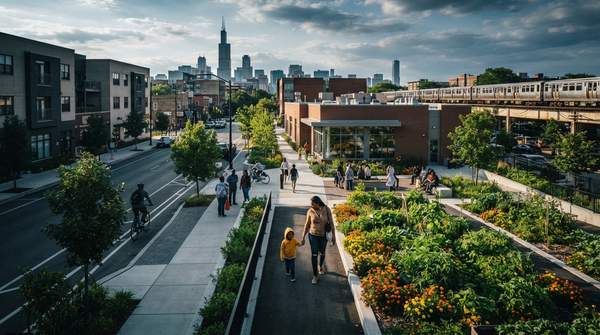
New York City is on track to install a record number of protected bike lanes in 2026, according to NYC DOT. However, dangerous unprotected sections, like the one on Ashland Place, continue to cause significant injuries, creating vulnerable points within an otherwise improving infrastructure.
Based on the current pace and demonstrated impact, cities prioritizing protected bike lane expansion will likely see a continued increase in cyclist safety and ridership, though the full elimination of unprotected hazards will take considerable time and sustained effort.
Protected Lanes Drive Ridership and Safety
- The protected northern sections of Ashland Place and Navy Street see 1,200 daily cyclists as of June 2024, according to Streetsblog New York City. High ridership demonstrates confidence in dedicated infrastructure.
- City and PennDOT crews completed more than two miles of separated bike lanes as the 2023 paving season ended in Philadelphia, according to Phila. The expansion confirms a growing commitment to cyclist safety in urban areas.
- An additional eight miles of separated bike lanes are under construction in Philadelphia, further extending the network of safe routes. The demonstrable increase in ridership and widespread construction efforts across different cities confirm the effectiveness and growing demand for safer cycling routes.
Community Support Fuels Local Projects
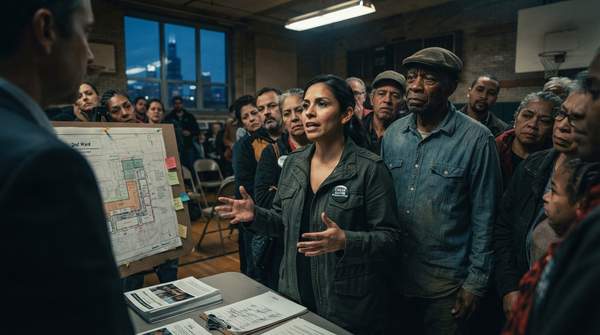
Community Board 7 passed a resolution in support of the New York City Department of Transportation’s plan to construct a two-way, protected bike lane along West 72nd Street, according to West Side Rag. Local action clearly illustrates the public desire for safer cycling options.
Such initiatives translate city-wide goals into neighborhood-level improvements, directly impacting daily commutes. Local community engagement is a critical driver for the successful planning and implementation of new protected bike lanes.