
Urban Planning
22 articles

Inside the $10 Billion Bronzeville Lakefront Proposal: Stadium, Housing, and What It Means for Residents
A $10 billion proposal, dubbed "Bronzeville Lakefront," aims to transform 100 acres on Chicago's Near South Side into a mixed-use district anchored by a 75,000-seat domed stadium for the Bears. The plan includes over 5,000 residential units, hotels, retail, and a large park, but raises concerns about displacement and community benefits.
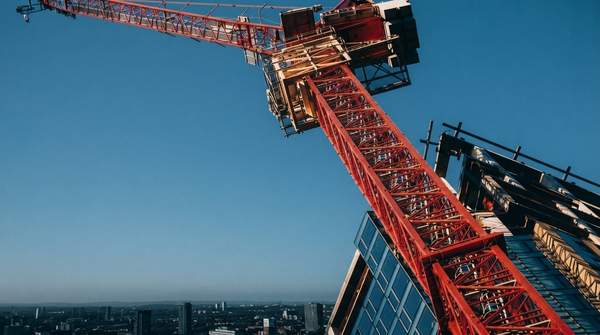
Who Decides What Gets Built in Chicago: A Resident's Map to the Development Process
Understand Chicago's development process to effectively influence what gets built in your neighborhood. Early engagement through informal channels and direct contact with your alderman is key to maximizing resident impact.
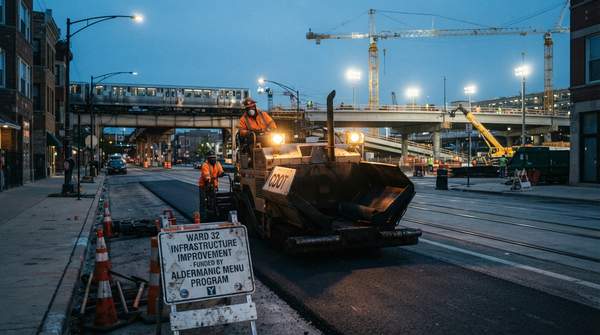
Chicago's Split System: How the City Plans Big Infrastructure While Aldermen Fund the Streets Outside Your Door
Chicago funds infrastructure through two distinct channels: the city-wide Capital Improvement Program (CIP) and the ward-level Aldermanic Menu. The article examines criticisms of the CIP's lack of transparency and needs-based evaluation, contrasting it with the localized Aldermanic Menu.
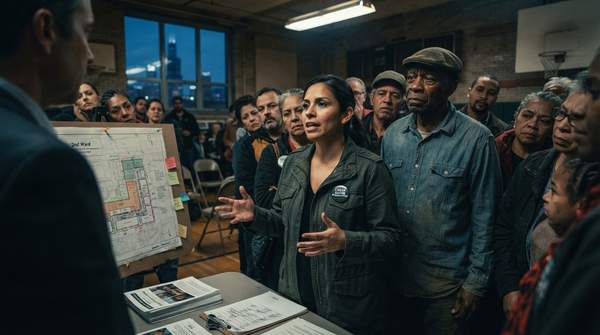
Where a Chicago Development Project Can Still Be Stopped: A Resident's Stage-by-Stage Guide
Chicago residents can influence local development projects by understanding the city's multi-stage approval process and engaging at specific, opportune moments. This guide maps the stages, decision-makers, and public input opportunities to help residents maximize their voice.
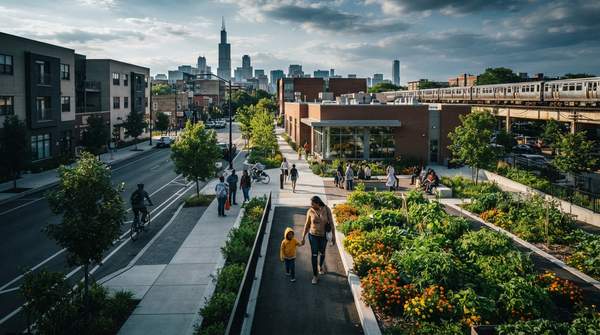
How Chicago Aims to Close a 16-Year Life Expectancy Gap Through Urban Planning
Chicago is employing urban planning as a public health intervention to address a stark 16-year life expectancy gap between its neighborhoods. The city's strategy involves citywide health equity plans and localized interventions, with progress tracked via the Chicago Health Atlas.
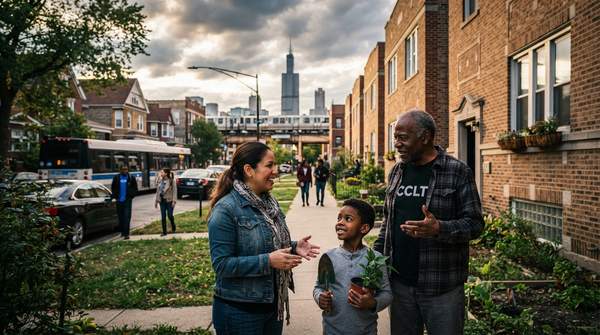
How Community Land Trusts Create Lasting Affordable Housing in Chicago
Community Land Trusts (CLTs) create lasting affordable housing in Chicago by separating land ownership from home ownership, ensuring homes remain affordable across generations. The city features two main CLT approaches: a citywide municipal trust and neighborhood-based organizations, each addressing affordability at different scales.

My City's Transit Faces Crisis Without Decisive Action
While New York City's Mayor and Governor recently announced ambitious plans to speed up their buses, an author for OregonLive questioned whether our region still cares about TriMet and ensuring a stro

Rethinking Infill Site Feasibility: Parsla's Solution for Edmonton Real Estate Agencies
For Edmonton real estate agencies, the infill market represents a significant opportunity, but it's also fraught with complexity. Answering a client's fundamental question—"What can I build on this lot?"—can trigger week…

How City Hall Decisions Shape Public Transit Policy and Funding
In Winston-Salem, the City Council directly appoints all eight members of the Transit Authority, effectively granting local politicians complete control over the city's bus system operations and fundi

New California Laws Rapidly Increase ADU Housing Density
ADU permits in California's coastal zones, once a 6–12 month ordeal, now move in 3–6 months, according to rgj .

How City Council Decisions Shape Neighborhood Development
At public engagement events shaping local development in 2026, older, white homeowners are often overrepresented, while renters and people of color are frequently left out, skewing decisions that affe

Cities Seek Public Input for 2026 Art and Culture Plan
In Sioux Falls, a striking 89 percent of residents want more dedicated arts and culture spaces.

Chicago Invests $27 Million in Logan Square Traffic Circle Redesign
For $27 million, Logan Square's iconic traffic circle has been transformed, rerouting major avenues and creating nearly an acre of new public park space.

City Council Approves Mixed-Use Development at 3240 W Lawrence
In a city often defined by its car culture, Chicago's City Council just approved a 26-unit residential development in Albany Park with zero car parking spaces!
What the Model Cities Experiment Got Right—and Where It Fell Short
The Model Cities Program, launched in the 1960s, aimed to address urban poverty structurally through community empowerment and coordinated services, but fell short of its promise. Its ambitious goals and challenges offer crucial lessons for contemporary housing justice and urban planning debates.

City Council Approves Residential Development at 2210 W
The Chicago City Council has given the green light to a four-story building with just six residential units and six parking spaces at 2210 W.

Cities work to fix storm damage
In New York City, the market value of real estate in the 100-year floodplain has surged to over $176 billion, a 44% increase since Superstorm Sandy.

NYC On Track for Record Protected Bike Lanes by 2026
Since September 2023, an unprotected stretch of Ashland Place in Brooklyn has recorded 29 crashes, injuring five cyclists and two pedestrians, highlighting the ongoing dangers for urban riders.

Equitable Transit-Oriented Development: Balancing Growth with Community Needs
Transit-Oriented Development (TOD) integrates urban planning with public transit to create dense, walkable communities. Ensuring equitable implementation is crucial to balance growth with community needs, preventing displacement and fostering inclusivity.

Uncertain Future for Sunken Raber Landmark Home
Thirty years after being landmarked and acquired by the city, the 156-year-old Raber House still stands vacant and weathered, a testament to preservation without purpose.

Chicago committee approves Rogers Park affordable housing plan
In a stark contrast to typical Chicago development, the City Council's zoning committee just approved an 80-unit apartment complex in Rogers Park where every single unit will be below market rate, acc

CDOT Seeks Feedback on Colorado Boulevard BRT Plan
Between 2018 and 2022, Colorado Boulevard, a corridor now slated for major transit upgrades, saw 117 fatal or serious crashes, marking it as a high-injury network area.