In 2026, the Raber House, which is 166 years old and was landmarked 30 years ago, still stands vacant and weathered, a testament to preservation without purpose. The city successfully protected this historic structure from demolition in 1996, according to WBEZ Chicago and chicago. Yet, it has simultaneously allowed the property to languish in vacancy and dilapidation for decades. Without concrete plans or viable proposals, the Raber House appears likely to continue its slow decay, unless significant public pressure or a new, funded vision emerges for its future.
City Ownership, Unclear Future
The city owns the Raber House, according to dnainfo. Yet, city officials have no clear plans for the building, and no viable proposals have been submitted to date, WBEZ Chicago reports. This municipal control, intended for protection, has paradoxically stalled the building's revitalization. The city's direct ownership has failed to forge a path forward for the property.
A Park Vision Anchored by Decay
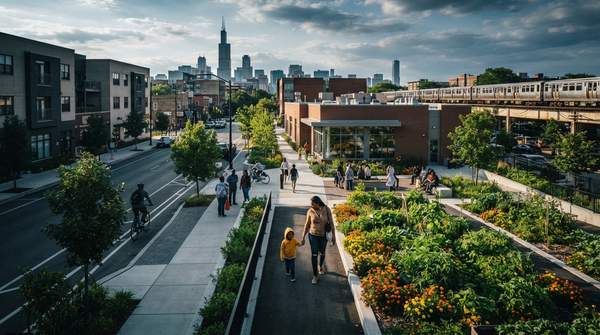
While the city acquired the Raber House to protect it from demolition, WBEZ Chicago reports, its lonOpenlandsg-term function remains undefined. Openlands now works with the city to assemble land for a future eight-acre park, with the Raber House as its anchor, according to WBEZ Chicago and dnainfo states. This ambitious vision for the surrounding area is undermined by the house's continued decay, making it a critical, unresolved component. The dilapidated landmark threatens to overshadow the park's potential, creating a stark contrast between aspiration and reality.
A Hub of Adjacent Activity
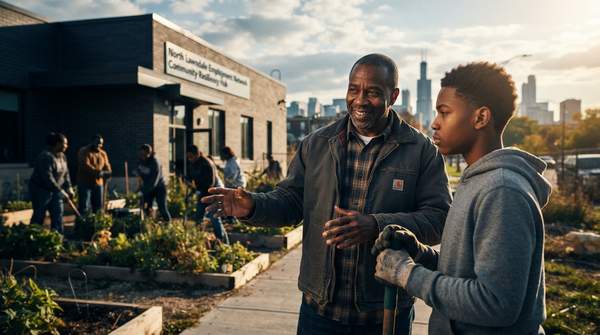
Right next door, the Sweet Water Foundation operates a thriving community-focused urban agriculture and arts practice on adjacent lots, according to WBEZ Chicago and chicago. Their successful grassroots revitalization efforts stand in stark contrast to the Raber House's stagnation. This vibrant activity presents a clear opportunity for integration, yet the landmark remains isolated, missing crucial synergies with its neighbors. The city's failure to connect the Raber House with such active community projects highlights a disconnect between preservation efforts and practical revitalization, leaving valuable urban space underutilized.