A 35-year-old Chicago Department of Transportation employee, Riley O’Neil, was killed Friday after a parked car's door opened into his bike lane, sending him into the path of a semi-truck. The devastating incident occurred on June 5, 2026, in Bridgeport, highlighting the immediate dangers faced by those cycling in urban areas. The tragic death of a city worker biking in Bridgeport underscores the fragility of existing traffic safety measures.
Despite increased awareness and calls for safer streets, vulnerable cyclists like Riley O'Neil are still being killed by preventable traffic violations, but the consequences for negligent drivers remain insufficient. This ongoing tension fuels public concern and questions the effectiveness of current city initiatives.
Without immediate and significant changes to both infrastructure and enforcement, similar preventable fatalities for cyclists in urban environments appear likely. This article will examine how systemic failures contribute to such tragedies.
How the Tragedy Unfolded
- Riley O'Neil, 35, was killed when a car door opened into his bike lane, causing him to fall into the path of a semitruck, according to the Chicago Sun-Times.
- The crash occurred around 3 p.m. Friday when the driver of a parked car opened their door, causing O'Neil to fall into traffic and be struck by a semi-truck, as reported by ABC7 Chicago.
The immediate cause of death was a preventable 'dooring' incident, a common and often fatal hazard for urban cyclists. A deadly 'sandwich' effect for urban cyclists, where a seemingly minor infraction like dooring becomes fatal when it propels a rider into the path of heavy commercial traffic, highlights the need for comprehensive safety zones, not just painted lines.
Driver Cited for Multiple Violations
The driver of the white BMW that opened its door into O'Neil's path received four citations, including for illegal parking, unsafely opening the door, driving on a suspended license, and driving without insurance, according to the Chicago Sun-Times. The driver's multiple severe citations, particularly operating without a license or insurance, point to systemic failures in traffic enforcement.
The fact that the driver faced these citations only after a fatal dooring incident reveals a critical gap in proactive traffic enforcement. Demonstrably dangerous drivers are allowed to operate unchecked until a tragedy occurs. Based on the Chicago Sun-Times report, the fact that the driver was operating on a suspended license and without insurance suggests that current enforcement mechanisms are failing to prevent high-risk individuals from endangering public safety, rendering painted bike lanes insufficient protection.
A CDOT Employee on Halsted Street
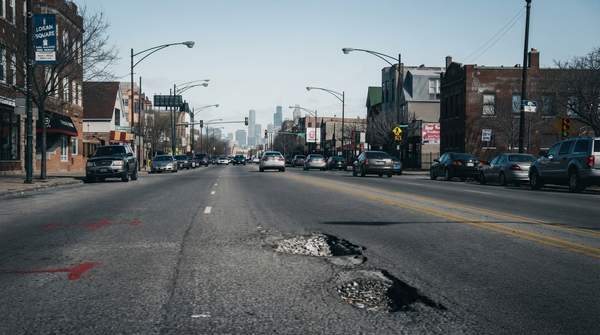
Riley O’Neil, a 35-year-old Chicago Department of Transportation employee, died Friday in a traffic crash while biking on Halsted Street in Bridgeport, according to Block Club Chicago. The death of a CDOT employee on a major thoroughfare like Halsted Street raises questions about the safety of infrastructure for those who help maintain it.
Even city employees dedicated to improving transportation infrastructure are vulnerable to preventable traffic violence, a grim reality underscored by Riley O'Neil's tragic death. Riley O'Neil's tragic death exposes the critical gap between policy intent and street-level safety. The tragic death of Riley O'Neil, a Chicago Department of Transportation employee, by an uninsured, unlicensed driver exposes a stark irony: even those tasked with improving urban mobility are not safe from the city's systemic enforcement failures.
Community Response and Calls for Action
City worker Riley O'Neil, 35, was killed while biking in Bridgeport after being doored by a driver and then run over by a truck, according to Block Club Chicago. The incident involving a city worker is likely to intensify calls from cycling advocates for immediate and tangible safety improvements.
The event will likely prompt renewed discussions on how to better protect vulnerable road users in Chicago. The broader cycling community seeks safer urban environments, and their urgent demand for actionable changes in traffic enforcement and infrastructure design is amplified by this tragedy.
Frequently Asked Questions About Cycling Safety
What are the specific dangers of urban biking in Bridgeport?
Urban biking, especially in areas like Bridgeport, presents specific dangers such as "dooring" incidents where a parked car's door opens unexpectedly into a bike lane. This can propel cyclists into the path of larger vehicles, creating a "sandwich" effect that can be fatal. Furthermore, the presence of uninsured and unlicensed drivers on city streets, a factor in O'Neil's death, compounds these risks by introducing drivers who operate outside legal and safety frameworks.
Without significant reforms by Chicago city officials to enforce traffic laws and enhance bike lane protection, preventable tragedies like Riley O'Neil's death on June 5, 2026, will continue to expose the deadly illusion of current safety measures.