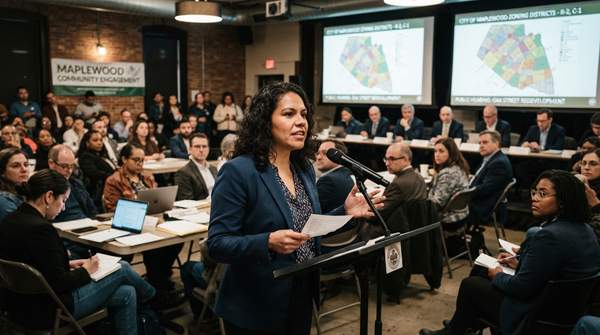
Zoning regulations are a fundamental part of how communities grow and function, dictating how land can be used and what can be built in your neighborhood. When a change is proposed, from a new apartment complex on a commercial street to a rezoning of a nearby industrial lot, the outcome can directly affect your property and daily life. Understanding the process and your role within it is key to making your voice heard and shaping the future of your community.
What is Zoning and Why Does it Matter to Your Neighborhood?
Zoning refers to the local laws and regulations that divide a city or county into different districts or "zones." According to the Guida Law Firm, these rules designate specific areas for activities such as residential, commercial, or industrial use. They govern not just the type of activity allowed but also details like building size, height, density, and how far structures must be set back from property lines. The city of El Dorado, Kansas, notes that the purpose of these rules is to ensure that land uses are compatible with one another, which helps protect property values and support broader community goals.
These regulations are the blueprint for urban planning. As described by the National Association of Home Builders, a zoning ordinance controls what is permissible on a piece of land. Common zoning barriers, such as minimum lot sizes, parking requirements, and height restrictions, can directly influence the housing supply and the pace of development in an area. For residents, these rules shape the physical character and feel of their neighborhood.
Understanding the Trade-offs: How Zoning Changes Impact Your Community
Any proposed change to local zoning laws involves a series of trade-offs that can impact homeowners, renters, and investors. These regulations are a primary force in shaping housing supply, neighborhood character, and infrastructure development, all of which influence property values. For example, restrictive zoning that limits building heights or density can hinder the development of new housing, potentially driving up costs.
Conversely, loosening zoning restrictions to allow for more multi-family housing or greater density can increase the availability of affordable options. According to an analysis from the Reason Foundation, this could involve permitting rental apartments in traditionally suburban neighborhoods. While such changes can help address housing shortages, they may also alter the existing character of a community, leading to resident concerns about traffic, infrastructure strain, and a shift in the neighborhood's aesthetic.
Resident's Action Checklist for Zoning Changes
When a zoning change is proposed in your area, a structured approach can help you participate effectively in the public review and decision-making process. The following steps provide a general framework for engaging with your local government, though specific procedures will vary by municipality.
- Stay Informed and Research the Proposal. Actively monitor your city or county's plans for zoning changes that could affect your area. When a proposal is announced, seek out the official documents to understand exactly what is being changed. This includes reviewing any "before-and-after" maps or summaries provided by the planning department to visualize the potential impacts.
- Identify Key Dates and Deadlines. The public participation process is time-sensitive. Look for official information on public hearing dates, comment periods, and planning commission meetings. These are the formal opportunities for residents to provide input before a decision is made.
- Formulate and Categorize Your Feedback. Organize your thoughts into clear points. A technology company, Atlas, which works with city planners, suggests that feedback is often most effective when categorized. Determine if your input represents support for the project, specific concerns, questions that need clarification, or alternative suggestions. This helps planners and officials quickly understand the community's perspective.
- Submit Formal Written Comments. Before any public hearing, there is typically a period when residents can submit written feedback. This creates an official record of your position. A well-reasoned letter or email that clearly states your points can be a powerful tool for influencing the review process.
- Participate in Public Hearings. Attending and speaking at public hearings is a critical step. These meetings are designed for planning commissions and other officials to hear directly from residents. Presenting your feedback in person can add weight to your written comments and allows you to respond to points made by developers or city staff.
Making Your Voice Heard: Public Hearings and Formal Feedback
The public participation process is designed to ensure that community members become active participants in zoning decisions. Planning departments present proposed amendments for public review, and community organizations often use this period to analyze the changes and organize a resident response. Your input provides essential on-the-ground perspective that planners and elected officials need to consider.
When you provide feedback, whether in writing or at a hearing, focus on the specific impacts of the proposal. Frame your comments around established community goals, potential effects on infrastructure, or alignment with the neighborhood's character. Clear, informed, and respectful input is more likely to influence the final outcome. This process of communication and public engagement is intended to improve decision-making for all parties involved, from residents and developers to municipal staff.
Empowering Your Voice in Zoning Decisions
Zoning is not a static set of rules; it evolves as communities change. Residents can effectively influence zoning outcomes by actively participating in the public process. The system is designed to incorporate community feedback, but it requires you to engage with it directly and strategically.
By staying informed about proposals and understanding their potential impacts, you can provide valuable input that shapes the final decision. The most direct way to ensure your perspective is considered is through the timely submission of formal comments and attendance at public hearings. These actions create an official record of community sentiment and are a cornerstone of transparent and participatory urban planning.
Sources
- Zoning Laws and Land Use: How They Impact Your Property Value - Guida Law Firm
- What is Zoning, and How Does It Affect You? — ELDOKS
- How Zoning Regulations Affect Affordable Housing — NAHB
- Dividing Lines: Understanding the tradeoffs in modern zoning and its impact on communities — Reason Foundation
- Show Zoning Changes with Before-After Layers — ATLAS