Undertaking a neighborhood beautification project can transform local spaces and foster community pride. A structured approach, encompassing careful planning, diverse funding, permit navigation, and effective volunteer coordination, is crucial for success. This guide outlines the key phases, from initial concept to long-term maintenance, drawing on examples from local government grant programs and community development best practices.
Successful beautification initiatives often begin with identifying community needs and engaging a wide range of residents, according to the Community Tool Box from the University of Kansas. These projects can involve various activities, such as cleaning up public spaces, establishing community gardens, installing art, or improving landscaping. Local government and community organizations frequently offer grants to support these efforts, though specific requirements and eligible projects can vary significantly by program.
Phase 1: Concept Development and Community Engagement
The foundation of any successful neighborhood beautification project lies in its initial concept and the breadth of community involvement. Begin by identifying specific areas within the neighborhood that could benefit from beautification, prioritizing those that will have the greatest impact or are feasible in the short term, as suggested by the St. Johnsbury Community Fund. This initial assessment should involve input from diverse community members to ensure the project addresses shared needs and desires.
The Community Tool Box emphasizes that people from all backgrounds within the neighborhood should be involved, including homeowners, renters, landlords, business owners, local officials, youth, and existing neighborhood organizations like associations or block groups. Engaging these diverse groups helps define clear project goals and fosters a sense of collective ownership. Forming a dedicated project committee with representatives from these various stakeholders can help organize the community and guide the initiative forward.
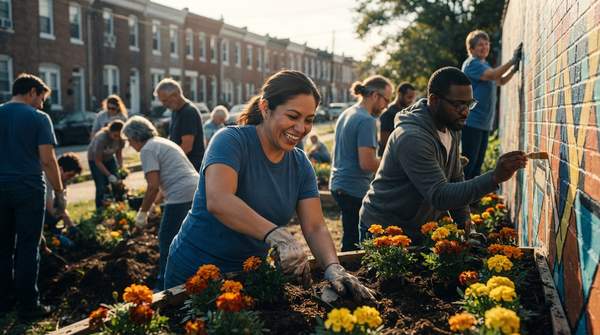
Volunteers, including youth who may earn community service credit, can contribute significantly to tasks such as painting, planting, mowing, removing unwanted objects, clearing trash, building trails, or creating murals. This early engagement not only gathers valuable input but also builds a volunteer base essential for later stages of the project.
Phase 2: Securing Funding Through Grants and Resources
Funding is a critical component of any beautification project, and local government and community organizations are often key sources. Many municipalities, such as the Town of Apex, North Carolina, and the City of Westlake Village, California, offer neighborhood beautification grants. These programs typically have specific application requirements and criteria for eligible projects.
Common application requirements may include attending a grant information session, being part of a neighborhood registry program, and demonstrating a strategy to engage neighbors for input on the project proposal. For instance, the Town of Apex requires neighborhoods to be part of its Neighborhood Registry program and to organize and complete the project themselves, with the town providing only funding.
Eligible projects often encompass clean-up activities, community gardens, public space improvements like entranceway signage or art installations, and general landscaping or curb appeal enhancements. However, certain projects are typically ineligible, such as improvements on private property, town-owned facilities, or within gated communities or apartment complexes, as outlined by the Town of Apex. The Wayne Metro Community Action Agency also notes that construction, building rehabilitation, water features, poured cement slabs, community services, events, or programs, sheds, shipping containers, hoop houses, and street/alley activations are generally not covered by their grants.
Some grant programs, like Westlake Village's, may offer increased funding contributions, sometimes up to 70% of total project costs, to offset expenses like prevailing wages or the need for licensed landscape architects for design drawings. Orange County, Florida, offers grants for both HOA and non-HOA communities, with HOA projects up to $15,000 often requiring a 50% match from the neighborhood organization. Understanding these matching fund considerations and specific professional requirements is vital when applying for grants.
Phase 3: Navigating Permits and Official Approvals
Before any physical work begins, it is essential to identify and secure all necessary local permits and adhere to municipal guidelines. The exact permits required will depend on the project's scope and the local jurisdiction. For example, the Wayne Metro Community Action Agency highlights that plot plans—measured drawings showing existing and proposed features—are used by departments like Buildings, Safety, Engineering, and Environmental (BSEED) to permit projects.
Projects involving public rights-of-way or significant structural changes may fall under city-wide plans, such as the comprehensive Streetscape Plan adopted by the Westlake Village City Council. These plans address various public right-of-way enhancements and improvements, indicating that local regulations can influence design and execution. While this article does not provide an exhaustive list of all possible local permits, it is crucial for project organizers to consult their local municipal planning or engineering departments early in the process to understand specific requirements and avoid delays.
Phase 4: Project Execution and Volunteer Coordination
With funding secured and permits in hand, the focus shifts to executing the project. Effective coordination of volunteers is paramount for successful implementation. The Community Tool Box suggests devising a strategy that clearly defines who will be in charge, how volunteers will be assigned to work crews, and who will instruct and supervise them. Planning for clear communication among all participants is also essential.
Leveraging municipal resources can significantly aid project execution. Many communities are willing to loan tools and equipment, and sometimes even workers, to neighborhood groups for beautification projects. For instance, a weekend of volunteer work, supported by municipal chainsaws, backhoes, or dump trucks, can transform neglected areas into pleasant community spaces. The St. Johnsbury Community Fund also emphasizes gathering and coordinating volunteers who can be mobilized to complete projects and raising community support for these efforts.
Phase 5: Maintenance and Long-Term Sustainability
The long-term success and impact of a neighborhood beautification project depend heavily on establishing a plan for ongoing maintenance. Without a clear strategy for upkeep, the positive effects of the project can diminish over time. The Community Tool Box stresses the importance of planning for maintenance from the outset.
Establishing a process to maintain cleanliness and landscaping, such as an "adopt-a-block" model, can foster community ownership and ensure sustainability, according to the St. Johnsbury Community Fund. Community involvement in maintenance not only keeps the area beautiful but also reinforces the collective effort and pride that initiated the project. This ongoing engagement helps ensure the beautification efforts have a lasting positive effect on the neighborhood.
Neighborhood Beautification Project Roadmap
This roadmap provides a chronological framework for planning, funding, and executing a neighborhood beautification project, integrating critical steps from concept to maintenance.
| Phase | Key Actions | Considerations/Resources |
|---|---|---|
| Initial Concept & Engagement | Identify community needs and potential project areas. Engage diverse residents, including homeowners, renters, business owners, youth, and local officials. Form a dedicated project committee. | Organize the community, define project goals, and build a broad base of support. Leverage existing neighborhood associations or create new groups. |
| Funding Acquisition | Research local government and community organization grant programs. Attend information sessions and fulfill neighborhood registry requirements. Prepare detailed project proposals. | Eligibility and specific requirements vary by program, including matching funds, eligible/ineligible project types, and professional involvement (e.g., licensed landscape architects). |
| Regulatory Compliance | Identify and secure all necessary local permits. Consult municipal planning or engineering departments. Prepare plot plans if required for permitting. | The exact permits needed depend on the project's scope and local jurisdiction. Adhere to municipal guidelines and any city-wide development plans. |
| Project Execution | Gather and coordinate volunteers. Assign tasks and establish supervision. Leverage municipal resources, such as loaned tools and equipment. | Effective volunteer management and clear communication are crucial. Leveraging community and municipal resources can significantly aid in project implementation. |
| Maintenance & Sustainability | Establish a plan for ongoing maintenance and cleanliness. Implement models like "adopt-a-block" for long-term upkeep. | Community involvement in maintenance fosters ownership and ensures the project's lasting positive effect on the neighborhood. |
Making Your Neighborhood Shine: A Call to Action
To initiate a neighborhood beautification project effectively, community members and neighborhood associations should first engage local residents to identify shared needs and then research available local grant opportunities. The measurable indicator of progress will be the formation of a dedicated project committee and the submission of a grant application to a local municipal or community agency.
Sources
- Chapter 26., Section 10. Establishing Neighborhood Beautification Programs - Main Section — CTB
- IMPLEMENT BEAUTIFICATION PROJECTS — SJCF
- Neighborhood Beautification Program — WLV
- Neighborhood Beautification Grant — APEXNC
- Neighborhood Beautification Grant - Wayne Metro Community Action Agency
- Neighborhood Beautification Grants — Engage Orange County