Chicago's housing conversations, like those in many growing and strained cities, often reduce to a clash between two shorthand philosophies: NIMBY ("Not In My Backyard"), which resists new development near existing residents' homes, and YIMBY ("Yes In My Backyard"), which actively supports more construction to address shortages and affordability. Understanding what each label actually means—and what arguments sit behind them—makes local development news far easier to follow.
Introduction: Setting the Stage for Housing Debates
NIMBY describes someone who objects to growth and, most commonly, housing development where they live, according to the National Association of Home Builders. The term carries a pointed connotation: as summarized in the widely referenced Wikipedia entry on the phenomenon, it implies that residents oppose a project only because it is close to them and would tolerate or support the same project if it were built farther away. The label is inherently contentious, and participants in any given dispute may reject it.
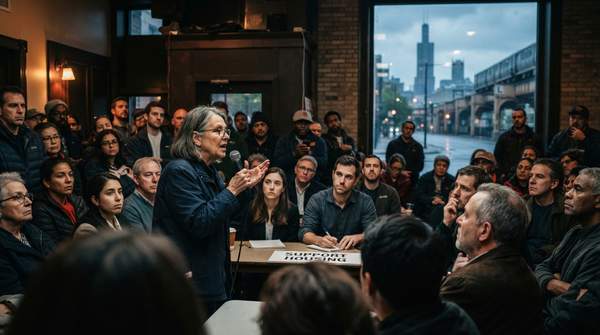
The counter-movement, YIMBY, emerged as what that same reference describes as the "opposite, reactionary movement" to NIMBYism. Where NIMBY arguments concentrate on the immediate local effects of a project, YIMBY arguments concentrate on the broader regional need for housing. The two philosophies collide most visibly in the public stages of development approval, where project plans go through staff review and public hearings before elected officials.
This framing matters in Chicago because the city's housing debates—over density, affordability, and neighborhood change—play out through exactly this structure of public hearings and aldermanic review. Local coverage has even produced a Chicago-specific variation on the vocabulary: a Tribune report on a Lincoln Park substation dispute introduced the term "THIMBY" ("There's Housing In My Backyard") as a locally flavored alternative to NIMBYism, a reminder that these labels evolve as communities argue over what gets built, and where.
NIMBY: Understanding 'Not In My Backyard'
In the housing world, NIMBY is used to describe people—typically existing residents, especially homeowners—who oppose new housing near their homes, particularly denser or more affordable housing, as Shelterforce's Miriam Axel-Lute explains. The National Association of Home Builders traces the attitude to fears surrounding declining property values, increased traffic, and changes to neighborhood character. Shelterforce adds a familiar list: concerns about crime, congestion, schools, property values, and "quality of life."
Documented reasons cited by NIMBY opponents include negative impact on local communities, low affordable housing quotas, restrictions on buildings' shadows, increased car traffic, and parking concerns. Notably, the home builders' association observes that most people across political lines agree housing is needed and that affordable housing is a priority—until plans land in areas that directly affect them. In its assessment, resistance can be driven by stigma and bias rather than facts, including fears that affordable, rental, or dense housing will "attract undesirable people."
NIMBYism has practical consequences beyond any single project. The home builders' group notes that opposition at public hearings can pressure elected officials to reject plans even when those plans fully comply with local zoning and regulations. Critics, as reflected in the Wikipedia entry's summary of the literature, argue that NIMBY organizations and policies worsen racial segregation, deepen economic inequality, and limit the overall supply of affordable housing. Shelterforce's reporting also pushes back on the underlying fears, noting that when developments are built, "these fears rarely come to pass."
YIMBY: Advocating for 'Yes In My Backyard'
YIMBYs take the opposite starting point: those who favor housing developments argue that new construction makes housing more affordable, thereby reducing displacement, personal property tax burdens, and homelessness. This supply-side view—that adding homes is the primary lever for improving affordability and accessibility across a city—is the movement's core economic claim, and it is the direct answer to NIMBY arguments about local impact.
YIMBYism is not a monolith. Axel-Lute's Shelterforce piece describes it as "complicated," noting that in some places YIMBY groups have formed successful coalitions with affordable housing advocates. In Seattle, a staff member at the Housing Development Consortium observed of YIMBY allies at planning and permitting meetings: "They can take things further and louder." Some YIMBY groups have also pursued legal strategies aimed at forcing towns to accept multifamily rental housing, and Axel-Lute identifies "Equitable Smart Growthers" as natural allies of the movement.
In Chicago, pro-housing organizing in this vein has a local presence through groups such as Strong Towns Chicago, which appears in coverage of the city's housing debates as an example of a community organization engaging on development and urbanism questions. The group is mentioned here only as an illustration of how the YIMBY side of the argument gets organized locally; it is not a profile of the organization.
NIMBY vs. YIMBY: A Comparative Framework
The table below organizes the arguments, fears, and goals associated with each philosophy as described in the sources above. Use it when evaluating a new housing development proposal to identify which type of argument is being made—and whether it concerns local impact or broader housing need.
| Dimension | NIMBY (Not In My Backyard) | YIMBY (Yes In My Backyard) |
|---|---|---|
| Core Philosophy | Opposes local development due to perceived negative impacts on the immediate community; would often tolerate the same project farther away. | Advocates for increased housing density and construction to address shortages and affordability. |
| Stated Concerns / Goals | Protecting property values, managing traffic and parking, and preserving existing neighborhood character and "quality of life." | Addressing housing affordability, reducing displacement and homelessness, and supporting growth. |
| View on Housing Supply | Prioritizes local concerns over the broader need to add housing units; can resist projects that comply fully with zoning. | Treats increasing supply as essential to improving affordability and accessibility citywide. |
| View on Neighborhood Character | Seeks to maintain the status quo and resist changes such as increased density or different building types. | Supports changes that allow more housing, even where they alter existing neighborhood character. |
The contrast is fundamentally about scale and priority: NIMBY arguments weigh what happens on one block, while YIMBY arguments weigh what happens across a whole city's housing market. A single public hearing can feature both, sometimes about the same building.
Navigating Chicago's Housing Debates
Community members and policymakers can better engage in housing development discussions by understanding the underlying NIMBY and YIMBY philosophies. Recognizing whether an argument is about local effects—traffic, shadows, character—or about regional supply and affordability helps separate the genuine trade-offs in a proposal from reflexive opposition or blanket support. This article explains the philosophies and their relevance to Chicago; it does not analyze specific active proposals or offer legal guidance on zoning processes.
A concrete sign of progress in the city's discourse is increased public discussion that explicitly references NIMBY or YIMBY arguments in local development proposals. When Chicago residents and officials name the actual concerns at stake—rather than trading labels—the debate over where and how to build housing becomes one that evidence, such as studies of how built developments actually affect property values, can inform.