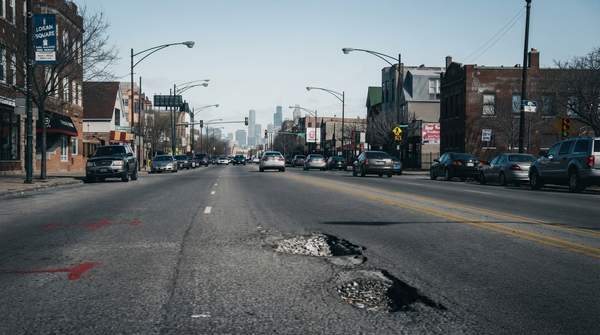
City crews removed protective bollards and curbs on several recently-installed bikeways in early March 2025, an action that Chief of Streets Jascha Franklin Hodge questioned, according to Streetsblog Massachusetts. This abrupt dismantling of infrastructure, designed to enhance safety and accessibility for local transit users, left communities questioning the value of their input and the city's commitment to active transportation.
Many local transit authorities seek public input for new projects, hoping to foster community engagement and improve user experience. However, some simultaneously ignore or even dismantle existing community-supported infrastructure and violate transparency laws, creating a disconnect between stated goals and actual practices. This tension raises critical questions about the sincerity of public participation processes in 2026.
The future success of local transit hinges on authorities moving beyond token gestures to truly embed community feedback and transparency into every stage of planning and implementation. Genuine engagement ensures new initiatives align with resident needs, building trust essential for the long-term viability of urban mobility solutions.
Building Consensus for Ambitious Transit Futures
The Lacey Woodland District Plan successfully utilized a visual preference survey with automated polling to develop new street standards, prioritizing walk, bike, and transit access, according to transportationefficient. Direct, structured community input, as seen here, effectively shapes infrastructure to meet resident needs.
Similarly, the Sustainable Thurston Plan involved extensive community outreach to articulate a shared vision, set goals and targets, and recommend actions, including an urban corridor and centers approach. Such robust engagement helps communities embrace ambitious projects, like the Swift Gold Line, a 15-mile bus rapid transit line between Everett, Marysville, and Arlington, which requires no additional local funding or new taxes, according to engage. Genuine community engagement consistently fosters support for ambitious, well-funded transit projects that improve public mobility. The promise of financial relief, combined with a clear vision, helps garner widespread public backing.
The Shadow of Distrust: When Promises Break
In early March 2025, city crews removed protective bollards and curbs on several recently-installed bikeways, an action questioned by Chief of Streets Jascha Franklin Hodge, as reported by Streetsblog Massachusetts. This arbitrary removal of recently installed bikeway infrastructure reveals a profound internal disconnect within municipal governance that actively sabotages public trust and wastes taxpayer investment.
Adding to this concern, the city's public records office has not yet honored StreetsblogMASS's requests for emails and meeting details about a 30-day review, violating state public records law. These transparency violations prove financial appeals alone cannot build lasting public confidence, much like the challenges in finding affordable health insurance in Florida. Even as authorities seek input, actions that disregard community-supported infrastructure or violate transparency laws swiftly erode public trust, jeopardizing future engagement.
The stark contrast between robust community visioning efforts in places like Lacey Woodland and Sustainable Thurston and the active dismantling of infrastructure and transparency violations highlights a troubling trend. Such inconsistency suggests 'public engagement' often functions as a performative facade, not a foundational principle, for many transit authorities. This behavior undermines the credibility of any outreach attempts, making future genuine collaboration more challenging.
The Long Game: Sustaining Momentum Through Trust
The Swift Gold Line project carries an anticipated cost of $189M-$199M, according to engage. Modern transit development demands substantial financial commitment. Projects of this scale, like the Swift Green Line Extension expected to open in 2030, require sustained public support over multi-year timelines.
Discussions are also resuming between Everett Transit and Community Transit about consolidating their two transit agencies, according to HeraldNet. Such mergers and long-term expansions require a deeply embedded foundation of public trust to navigate complex planning, funding, and implementation phases. Public trust, built through consistent transparency, becomes a strategic imperative for project success, not a mere courtesy.
Without ongoing, transparent communication and a clear demonstration that community input genuinely influences decisions, public enthusiasm for costly and lengthy projects can wane. This erosion of trust can lead to delays, budget overruns, and ultimately, a failure to deliver essential transit improvements.
A Mandate for Genuine Partnership
The Lacey Woodland District Plan, which successfully used a visual preference survey to prioritize walk, bike, and transit access, offers a clear model for effective community integration, according to transportationefficient. This proactive approach contrasts sharply with the reactive dismantling of infrastructure or the violation of public records laws seen elsewhere.
Similarly, the extensive community outreach of the Sustainable Thurston Plan exemplifies how shared visioning can build robust support for comprehensive urban development. While some transit projects, like the Swift Gold Line, leverage "no additional local funding or new taxes" to garner support, the simultaneous violation of public records laws undermines these efforts. Such financial appeals prove insufficient to build lasting public confidence when transparency and genuine engagement are absent. The future of urban mobility depends on transit authorities embracing genuine partnership with their communities, moving beyond superficial consultations to build enduring trust and shared ownership of transit solutions.
If transit authorities fail to prioritize authentic engagement and transparent operations, securing public backing for initiatives like the Swift Gold Line will likely become increasingly challenging, potentially hindering essential urban mobility improvements for decades to come.